Auto Key Services0


A no-start condition can have several causes. We work through them systematically so you replace the part that has actually failed.
We check the likely causes in order, from the simplest to the more involved.
You replace what has actually failed, not whatever seems easiest to swap out.
We check the key and immobiliser system, not just the mechanical and electrical basics.
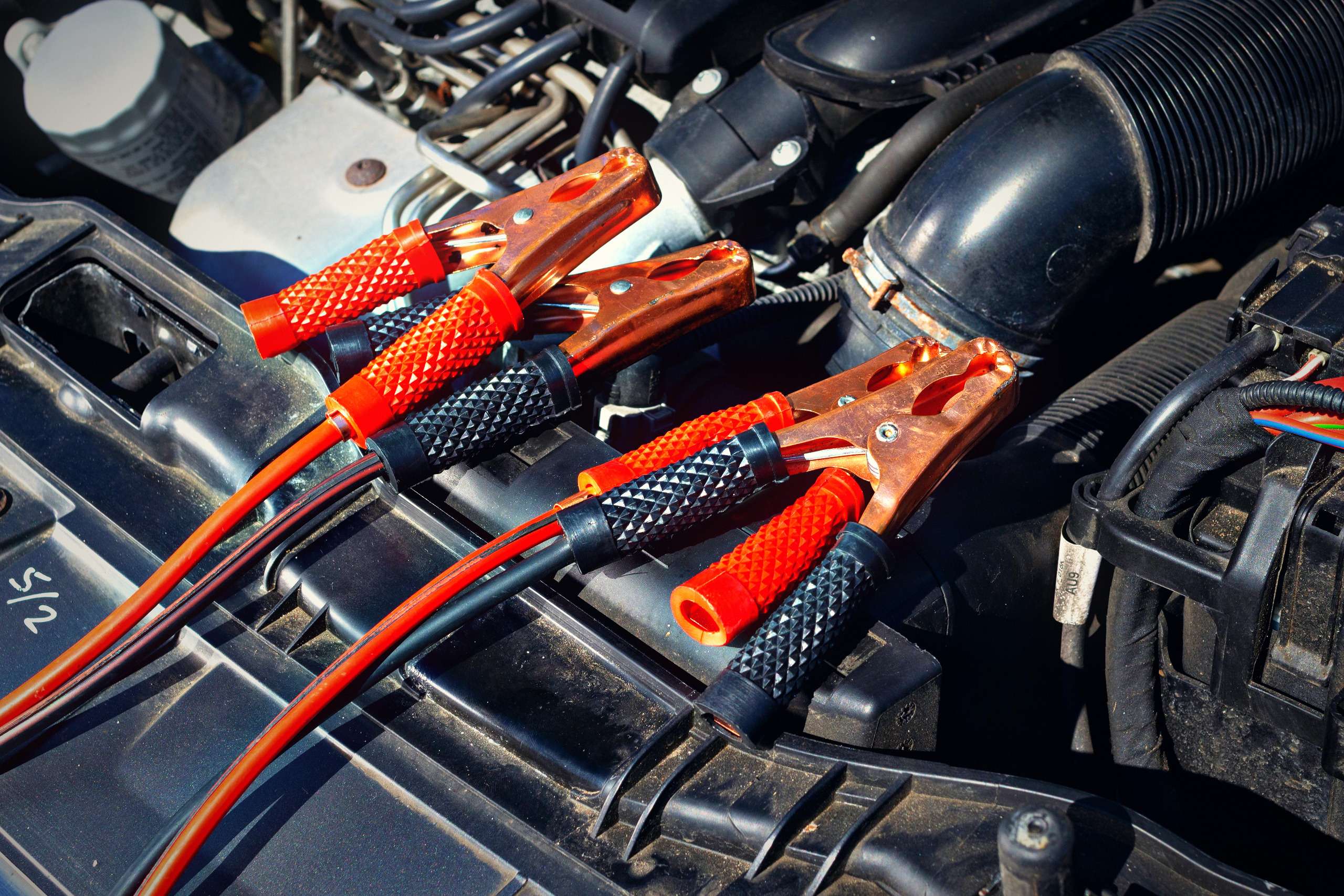
From a flat battery to an unrecognised key, we work through the likely causes before you pay to replace anything.
A car that refuses to start can have any number of causes, from something as simple as a flat battery to something as specific as a mismatched key that the immobiliser will not recognise. Without a systematic check, it is easy to spend money replacing parts that were never actually the problem.
We work through the likely causes methodically, starting with the simplest and cheapest checks, so you are not left guessing or paying for a new starter motor when the actual fault turns out to be a corroded connector or an unrecognised key, so the repair matches the actual problem rather than a guess.
A weak battery is one of the most common causes of a no-start condition, and is easy to check by pressing the hazard lights: if they do not respond, the battery is very likely flat. A jump start will confirm this, and if the problem returns quickly, the battery itself likely needs replacing.
A clogged fuel filter can also prevent the engine from getting enough fuel to start, often showing up as an engine that turns over but never quite catches. A blown fuse is a simpler possibility worth checking under the bonnet and inside the cabin before assuming a bigger fault.
Worn spark plugs or ignition coils can prevent the engine from igniting fuel properly, often producing a clicking sound rather than the engine catching when you turn the key. Replacing the affected components is usually a straightforward fix once the fault is correctly identified.
A faulty starter motor is another common culprit, typically producing a loud click when you turn the key, or sometimes no sound at all. Testing the starter with direct voltage confirms whether it needs replacing, or whether the fault actually lies in the wiring or a related module instead.
Moisture, dust and general corrosion take a toll on the many electrical connections in a modern vehicle over time. A pinched, unsealed or corroded wire can cause a high-resistance connection or a complete loss of connection, and if it affects the wrong circuit, the result is a car that simply will not start.
Control modules, including the engine control module, the smart fuse box and the immobiliser module, also play a role in allowing a vehicle to start. A fault in any one of them can produce a no-start condition that looks, at first glance, like a completely different problem.
Most modern vehicles use an immobiliser system that requires a valid, correctly programmed key before the engine’s other systems will allow it to start. A worn, damaged or unprogrammed key can produce a no-start condition that has nothing to do with the starter, the battery or the fuel system at all.
Most vehicles display a warning light on the dashboard if the immobiliser does not recognise the key, though Kia and Hyundai models typically work the other way round, showing a solid key symbol when the key is accepted and no light at all when it is not.
Calls are answered 24 hours a day. Tell us the make, model and year, and we will tell you what we can do and what it will cost.
We start with the simplest, cheapest checks, the battery, fuses and obvious wiring, before moving on to the starter, ignition components and the immobiliser system, only replacing parts once we know they are actually at fault.
Yes. A worn, damaged or unprogrammed key can stop a vehicle starting even when the battery, starter and fuel system are all working perfectly, which is why we always check the key and immobiliser too.
Yes, these models work in reverse. A solid key symbol confirms the key was accepted; no light at all suggests a problem with the key or immobiliser system worth having checked.
Cutting and programming standard, transponder and high-security keys for almost every make on Kampala’s roads.
Locked out or lost your keys? On-site replacement and cutting for most cars, wherever you are in Kampala.
Precision-cut spare keys for cars and motorcycles, so you are never left with just one working key.